
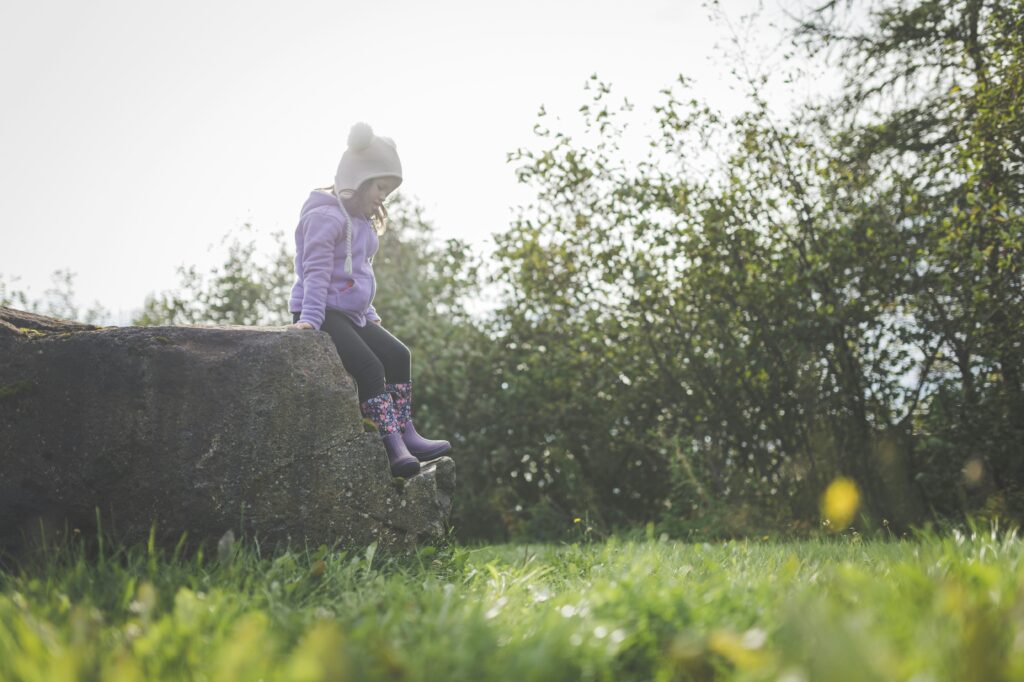
In a world increasingly dominated by screens, structured routines, and sedentary habits, the call of the great outdoors offers more than just fresh air. For children, unstructured outdoor play is not merely a pastime—it’s a vital component of healthy development. From boosting physical health to enhancing creativity and emotional resilience, the benefits of outdoor play are as wide-ranging as the open skies themselves.
In this article, we’ll explore how encouraging your child to play outside can positively impact their growth, development, and well-being. Whether it’s swinging on a balançoire in the back garden, clambering around an aire de jeux in the park, or inventing imaginary worlds in a wooded glade, outdoor experiences play a crucial role in shaping a confident, capable child.

THE SCIENCE OF OUTDOOR PLAY
The connection between outdoor play and child development is well-documented by paediatricians, educators, and psychologists alike. Unlike indoor environments, which often prioritise control and safety, outdoor spaces provide an ideal setting for risk-taking, exploration, and spontaneous learning.
When children engage in outdoor play, they activate nearly every system in their body—muscles, bones, lungs, heart, and brain. From a scientific standpoint, this physical activity enhances cardiovascular fitness, builds bone density, and improves balance and coordination. It also reduces the risk of obesity and other health-related concerns.
But physical health is just the beginning. Outdoor play stimulates all five senses and offers children real-world experiences that digital screens simply cannot replicate. Whether it’s the texture of bark, the feel of wind on their cheeks, or the unpredictable splash of a puddle, nature awakens a sensory awareness crucial for early learning.
BOOSTING COGNITIVE AND EMOTIONAL DEVELOPMENT Development
Play is the language of childhood. Through it, children make sense of the world around them. Outdoor environments offer a canvas for imaginative play that is rarely matched indoors. A fallen log can become a pirate ship; a pile of leaves, a treasure trove. This kind of open-ended play fosters problem-solving, decision-making, and independent thinking.
Outdoor play also supports emotional regulation and mental well-being. Studies have shown that exposure to natural environments reduces stress, lowers anxiety, and improves mood in children. The sense of freedom and autonomy gained outdoors can significantly enhance a child’s self-esteem.
Moreover, outdoor play is often social. Parks and playgrounds—aires de jeux—offer opportunities for children to engage with peers in an unstructured setting. They learn how to take turns, negotiate rules, cooperate, and resolve conflicts—skills that form the foundation of strong interpersonal relationships throughout life.
LANGUAGE AND COMMUNICATION SKILLS IN NATURE
Outdoor play environments provide rich opportunities for language development. Whether your child is giving instructions during a make-believe game, describing what they see, or asking questions about the natural world, they are actively building their vocabulary and communication skills.
Parents and caregivers can further support this by engaging in dialogue with children during outdoor adventures. Ask open-ended questions like, “What do you think lives in that tree?” or “How do you think the water got here?” These prompts encourage children to think critically and express themselves more clearly.
PHYSICAL CONFIDENCE AND RISK-TAKING
A key aspect of development is learning to assess and manage risk. Outdoor play is full of moments where children are encouraged to test their limits—climbing a bit higher, jumping a little further, or navigating uneven terrain. This isn’t about reckless danger; it’s about calculated challenges that help build physical confidence and resilience.
Equipment such as a balançoire (swing) helps children learn how to control their bodies, adjust balance, and trust their own strength. As they master each new challenge, they gain a sense of achievement that bolsters their confidence.
Importantly, these experiences also teach children what to do when things don’t go as planned—how to fall safely, get back up, and try again. These lessons are not just physical—they’re deeply emotional and serve them well throughout life.
FOSTERING A LIFELONG CONNECTION WITH NATURE
Early outdoor experiences lay the groundwork for a lifelong appreciation of the natural world. Children who play outside regularly tend to develop a stronger connection to nature and are more likely to grow into environmentally conscious adults.
Simple activities like gardening, birdwatching, or exploring local woodlands can spark curiosity and wonder in young minds. They also teach patience, observation, and empathy—values that are increasingly important in our fast-paced modern society.
Encouraging children to spend time in green spaces fosters environmental stewardship. When they learn to love the outdoors, they’re more inclined to protect it.
CREATING THE IDEAL OUTDOOR PLAY ENVIRONMENT
You don’t need a sprawling countryside estate to give your child the benefits of outdoor play. Whether it’s a small back garden or a visit to the local aire de jeux, what matters most is regular access to safe and engaging outdoor spaces.
Here are some simple ways to create or enhance an outdoor play experience:
- Install classic equipment: A balançoire, slide, or climbing frame offers endless opportunities for fun and movement.
- Create loose parts zones: Provide items like sticks, stones, buckets, and ropes to encourage imaginative play.
- Include nature: Incorporate flowers, shrubs, and trees to invite sensory exploration and interaction with wildlife.
- Design for all seasons: Ensure play continues in autumn and winter with waterproof clothing, shelters, and warm drinks at the ready.
- Visit diverse locations: Take trips to forests, beaches, farms, and urban parks to broaden their outdoor experiences.
THE ROLE OF PARENTS AND CAREGIVERS
While children are naturally inclined to play, the role of adults is vital in facilitating these experiences. This doesn’t mean hovering or directing every moment, but rather creating space, setting boundaries where necessary, and allowing freedom within safe limits.
Encouraging outdoor play may require some initial effort, especially if your child is used to screen time or structured indoor routines. Start small—a 20-minute walk after school, a weekend trip to the park, or a nature treasure hunt in the garden.
Be present, be patient, and most importantly, be willing to get muddy with them. Children are far more likely to embrace outdoor adventures when they see their grown-ups joining in with enthusiasm.

OPEN SKIES, OPEN POSSIBILITIES
In today’s world, it’s easy to forget the simple joys of outdoor play. But for children, a world without nature is a world without wonder. Every swing on a balançoire, every laugh shared at the aire de jeux, and every muddy footprint left on the garden path is a building block in their journey of growth.
Outdoor play isn’t just recreation—it’s education. It feeds the body, fuels the mind, and frees the spirit. By making time and space for it in your child’s life, you’re giving them a powerful gift: the chance to grow up healthy, happy, and deeply connected to the world around them.
So open the door, step outside, and let the adventure begin.