
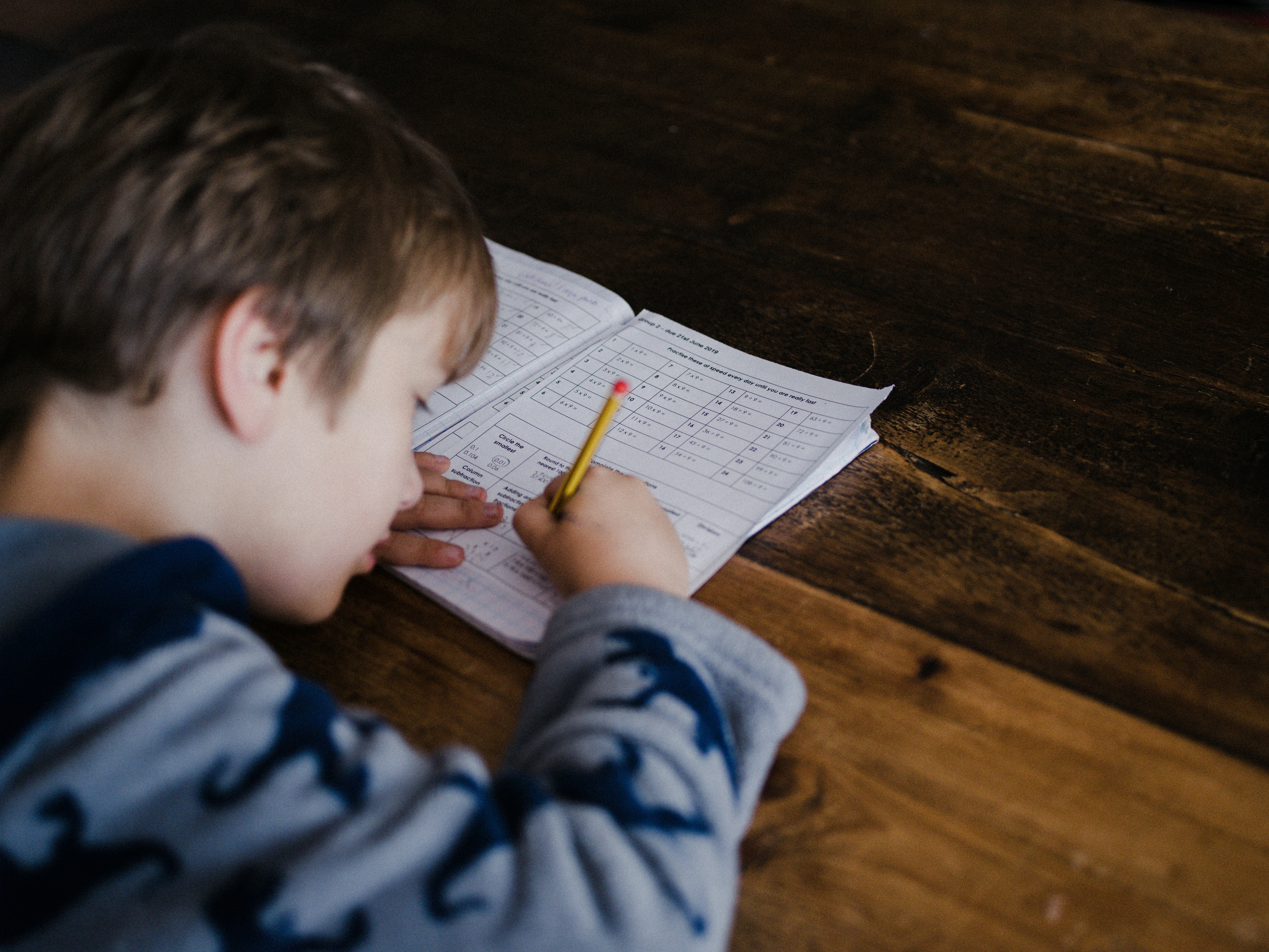
Helping children strengthen their memory and recall skills is an important part of supporting their learning journey. Whether they are revising for exams, mastering new vocabulary, or simply trying to keep track of daily tasks, strong memory skills provide a solid foundation for success at school and beyond. Here are some effective, practical ways parents can nurture these abilities at home.
CREATE A CALM AND ORGANISED STUDY ENVIRONMENT
Memory thrives in environments free from unnecessary distractions. A quiet, tidy workspace helps children focus more easily and retain information more effectively. Try to set up a dedicated study area at home where stationery is within reach, digital distractions are reduced, and lighting is soft but bright enough for reading.
A consistent routine can further improve recall. When children revise at the same time each day, their brains learn to associate that period with concentration and learning, making it easier for them to absorb and store information.
For strategies that reflect classroom expectations, you can explore resources such as standard study skills guidance for pupils, which often provide simple methods children can adopt daily.
USE REPETITION AND ACTIVE RECALL
Repetition is one of the most powerful tools for building memory. Encourage your child to review material regularly rather than cramming the night before a test. Short, frequent revision sessions are far more effective and less overwhelming.
Active recall—testing what they’ve learnt without looking at notes—boosts long-term memory significantly. You can support this at home by asking simple quiz-style questions, using flashcards, or inviting your child to explain a topic back to you. Teaching someone else is one of the strongest ways to reinforce learning.
ENCOURAGE THE USE OF MEMORY AIDS
Memory aids can help children grasp and remember more complex information. These can include:
· Mnemonics – Simple phrases or acronyms that make facts easier to remember.
· Mind maps – Visual diagrams that help children organise information in a structured, memorable way.
· Colour coding – Assigning colours to subjects or themes can boost recall, especially for visual learners.
Using these techniques in a fun, creative way helps children engage more deeply with the material, making it more likely to stick.
MAKE LEARNING MEANINGFUL AND CONNECTED
Children remember information better when it feels relevant or connected to real life. Try linking topics to practical examples, everyday experiences, or subjects they find interesting. For instance, if they are learning about measurements in maths, let them help with cooking; if they’re studying history, watch a related documentary or visit a museum.
This approach not only strengthens memory but also makes learning more enjoyable and meaningful.
SUPPORT HEALTHY HABITS THAT BOOST MEMORY
Good sleep, regular physical activity, and a balanced diet all play a crucial role in supporting memory function. Children who are well-rested and physically active generally find it easier to focus, process, and recall information. Encouraging regular breaks during study sessions also helps prevent fatigue and improve concentration.
Supporting your child’s memory and recall abilities is an ongoing process, but small, consistent steps can make a meaningful difference. With a supportive home environment and positive learning habits, children can develop the confidence and skills they need to thrive.