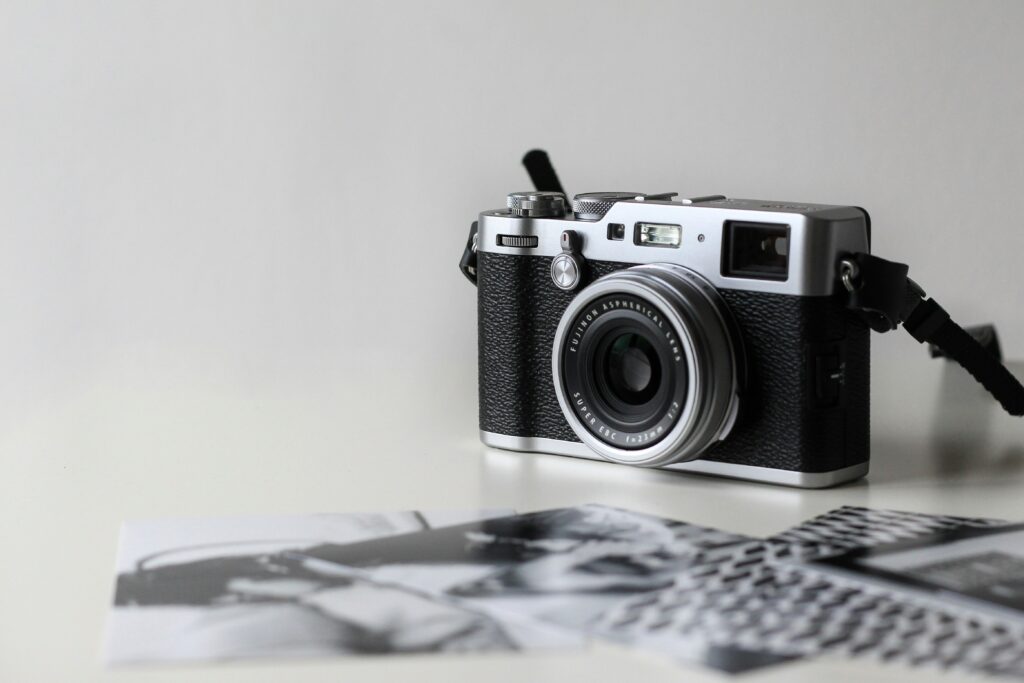
There’s no denying that digital photography is capable of some amazing things. But film photography can capture something unique and special that you can’t authentically replicate digitally. It’s a feeling, a magic and an undeniable quality that simply exists only when you shoot on film.
And it’s little wonder why more people are moving back to a more analogue way of capturing images, either professionally or for fun.
These tips are for those who are dipping their toes in the water for the first time to help you get the best results possible.
START WITH THE BASICS
It all starts by getting to know your camera. You need to understand the camera you’re using and the film you’ll be shooting on. Take the time to familiarise yourself with the different settings, features and capabilities. If you’re using an older camera, it might not support new, high-speed films, for example. So before you head out to buy any old film, make sure it’s suitable for your camera and the shots you’re planning on taking.
And don’t forget: load your film. An extra step not needed digitally, but pretty important to the process of film photography.
EMBRACE LEARNING
It’s not about capturing the right images instantly. Film photography is a learning process and needs to be treated as such. This is an amazing way to fall back in love with photography, but it’s also a way to learn once more. Embrace mistakes, they’re part of the process. Take your time, be more mindful than simply snapping available digitally and be aware of the limitations — every shot counts here, you only have a limited number of exposures on a film, so this needs to be considered.
START WITH ONE FILM STOCK
Don’t be tempted to rush through different toys of film to see what you like and works best for you. But this might be too much too soon. Try sticking with one film stock for longer than a few snaps. Learn about it, the way it works with your camera, your shooting style and the type of pictures you take. The more you experiment, the more you can learn and hone your craft. Then, when you’re confident, you can move on and try something else. It’s not choosing your favourite from the beginning; it’s about giving each film the opportunity to show you what it’s really capable of.
BEGIN WITH 35MM FIRST
Many photographers recommend that budding new film photography students start with 35mm film. It’s considered the most accessible and cost-effective entry point film, and the cameras are usually cheaper too, especially used ones. But before you buy 35mm colour film, make sure you know how to use it and that it fits with your camera.
For the most part, you get 12-16 exposures per roll of medium format. And it’s really easy to learn and get decent shots from in the early days, even as you’re learning. Once you have mastered 35mm, you can then move on to other types of film to expand your skillset and keep learning, but for the early stages or your initial foray into this style of photography, stick to the 35mm.