
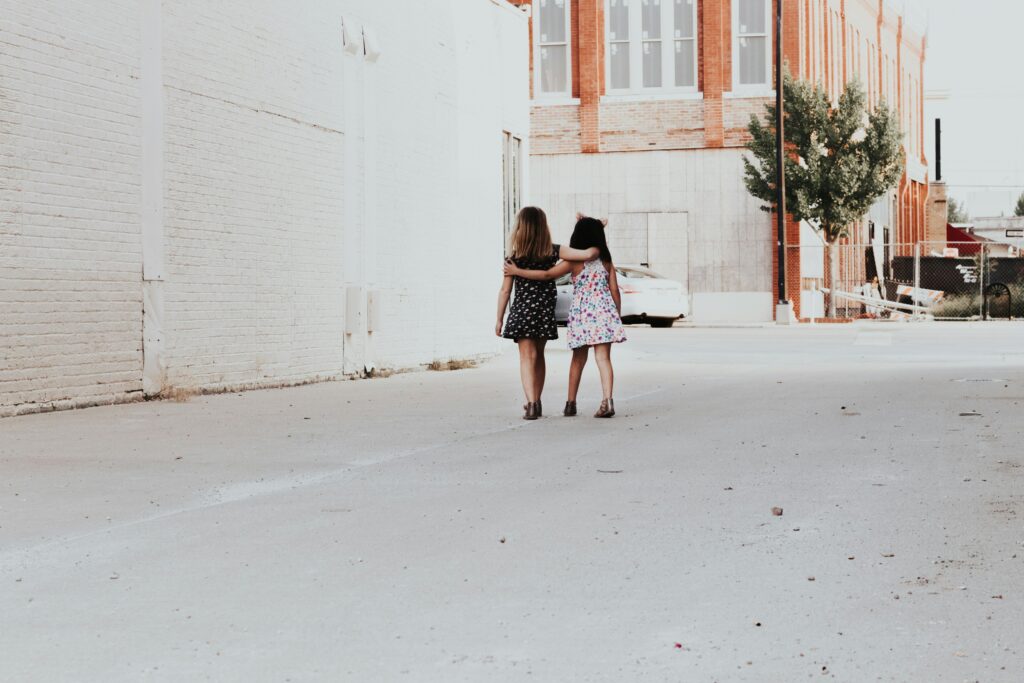
Kindness is one of the most important values a child can learn. It shapes how they treat others, how they see themselves, and how they navigate the world around them. While kindness may seem like a natural trait, it is a skill that can be nurtured and strengthened through everyday actions, conversations, and examples. Teaching your child about kindness helps them build empathy, confidence, and meaningful relationships that last a lifetime.
Lead by Example
Children learn more from what we do than what we say. When they see parents and caregivers treating others with patience, respect, and compassion, they are more likely to imitate those behaviours. Simple acts—saying thank you, apologising when you make a mistake, offering help to others, or speaking kindly even during stressful moments—send powerful messages.
This top girls school in London says that kindness at home matters just as much as kindness in public. How you speak to your child, your partner, and yourself teaches lessons about respect and empathy every day.
Talk About Feelings and Empathy
Understanding kindness begins with understanding emotions. Help your child recognise their own feelings and identify emotions in others. Use everyday moments to ask questions like, “How do you think they felt?” or “What could we do to help them feel better?”
Books, stories, and TV programmes are great opportunities to discuss kindness and empathy. Talking about characters’ actions and consequences helps children connect emotions with behaviour in a meaningful way.
Encourage Acts of Kindness
Make kindness an active part of daily life. Encourage your child to share, help with chores, comfort a friend, or include others in play. These small actions teach children that kindness doesn’t have to be big or dramatic to matter.
You might also create simple family habits, such as doing one kind thing each day or talking at bedtime about a moment when your child showed kindness or noticed it in someone else.
Praise Effort, Not Perfection
When your child shows kindness, acknowledge it specifically. Instead of general praise, say things like, “I noticed how you helped your friend when they were upset—that was very kind.” This helps children understand exactly what behaviour you value.
Avoid rewarding kindness with treats or prizes, as this can make it feel transactional. Instead, focus on how their actions made others feel and how kindness can be rewarding in itself.
Teach Respect for Differences
Kindness includes accepting and respecting people who are different. Talk openly about diversity in age, culture, abilities, and opinions. Encourage curiosity and kindness rather than judgment.
If your child asks questions or makes unkind comments, respond calmly and use the moment as a learning opportunity. Teaching respectful language and open-minded thinking helps children build inclusive attitudes early on.
Help Them Work Through Unkind Behaviour
Children are still learning emotional regulation, and moments of unkindness are part of that process. When it happens, address the behaviour calmly rather than with shame or anger. Help your child reflect on what happened, why it happened, and how they could respond more kindly next time.
Teaching kindness also means teaching accountability—understanding the impact of actions and making amends when someone is hurt.
Reinforce That Kindness Starts With Self-Kindness
Kindness toward others is closely connected to kindness toward oneself. Teach your child that it’s okay to make mistakes, take breaks, and express their feelings. A child who feels valued and understood is more likely to treat others with care and compassion.
Teaching your child about kindness is an ongoing journey, shaped by everyday moments and consistent guidance. By modelling kind behaviour, fostering empathy, and encouraging thoughtful actions, you help your child develop a strong moral foundation. Kindness learned in childhood not only improves relationships and well-being but also helps shape a more compassionate and understanding world.